
Root canal treatment in Sant Just Desvern
We save natural teeth when they need it most
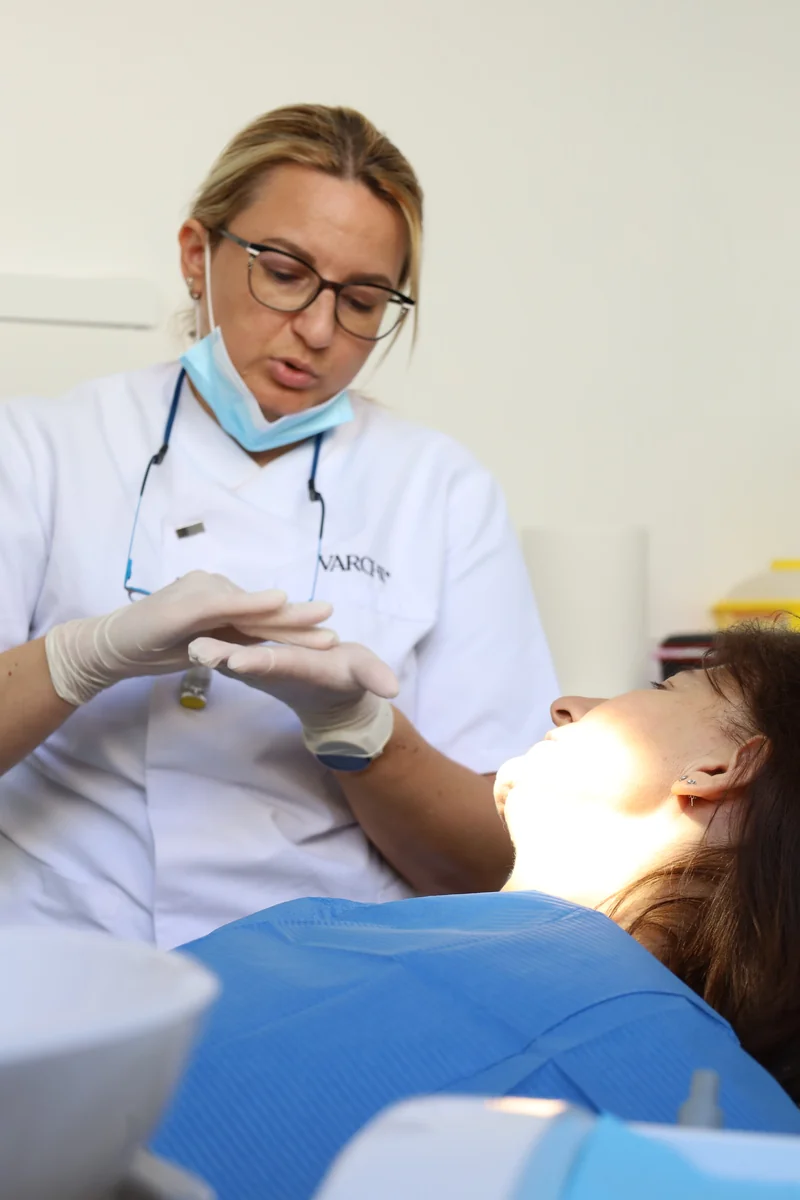
Treat to preserve
One of the main aims of modern dentistry is to preserve natural teeth wherever possible. Although a tooth may sometimes be affected by deep decay, trauma or an infection that compromises its vitality, this does not necessarily mean it needs to be extracted. Root canal treatment is the procedure that enables us to remove the infection from inside the tooth, relieve the pain and save a tooth that might otherwise be lost.
At VARCHI Dental Clinic, we understand that behind every treatment there is a person who wants to preserve their smile and avoid more invasive procedures. That is why we use advanced diagnostic and treatment techniques that enable us to tackle each case with the utmost precision, comfort and predictability. Thanks to root canal treatment, it is possible to restore severely affected teeth to good health and extend their lifespan for many years.
What is a root canal treatment?
Endodontics is the dental specialism responsible for diagnosing and treating diseases affecting the dental pulp and the tissues surrounding the root of the tooth. The pulp is the tissue found inside each tooth. It consists of nerves, blood vessels and specialised cells that play a part in the development and maintenance of the tooth.
When this structure becomes inflamed or infected as a result of deep tooth decay, a fracture, trauma or bacterial invasion, pain, sensitivity or infection may occur.
A root canal treatment involves removing the damaged tissue from inside the tooth, carefully disinfecting the root canals and sealing them to prevent further infection.
This procedure makes it possible to preserve the natural tooth and, in many cases, avoid extraction. Although it is traditionally known as ‘killing the nerve’, the reality is that root canal treatment is a highly conservative procedure whose main aim is to preserve the tooth and restore its function.
Book your first appointmentWhy is it important to keep a natural tooth?
Whenever possible, preserving a natural tooth is usually the best option for oral health. Natural teeth are designed to withstand the forces of chewing and maintain the balance of the entire set of teeth.
When a tooth is lost, this can lead to tooth movement, changes in the bite and progressive bone loss. Root canal treatment allows the tooth to be preserved in the mouth, preventing many of the consequences associated with extraction.
Furthermore, preserving natural teeth is usually a more conservative and biologically favourable solution for the patient. For this reason, before considering the extraction of a tooth, we always assess the possibility of saving it through root canal treatment.
Instructions
When is a root canal treatment recommended?
There are various situations that may require root canal treatment.
Symptoms that may indicate the need for root canal treatment
Not all teeth that require root canal treatment show obvious symptoms. However, there are certain signs that may indicate a problem with the pulp.
One of the most common symptoms is spontaneous pain, particularly when it occurs without any obvious trigger. It is also common to experience intense sensitivity to cold or heat that persists even after the stimulus has been removed.
Some patients report discomfort when chewing or a feeling of pressure on a specific tooth. In more advanced cases, inflammation, infections or small fistulas may develop in the gums.
However, it is important to note that some teeth may lose their vitality without any obvious symptoms and only be detected during a routine check-up. For this reason, regular visits to the dentist are essential for identifying problems before they develop.
Protocol
How is a root canal treatment carried out?
Modern technology and advances have completely transformed the experience of root canal treatment. Far from the traditional image associated with uncomfortable procedures, root canal treatment is now carried out using precise techniques that ensure a much more comfortable experience for the patient.
Anaesthesia and comfort
The treatment begins with appropriate local anaesthesia to ensure comfort throughout the procedure.
Access to the tooth
Once the tooth has been isolated, we gain access to the interior of the tooth to locate and treat the root canals.
Cleaning and disinfection
The affected pulp tissue is carefully removed and the root canals are cleaned and disinfected using specialised instruments designed to work with the utmost precision.
Sealed
The ducts are then sealed using biocompatible materials that prevent further bacterial contamination.
Final reconstruction
Finally, the tooth is restored to restore its function and strength.
The importance of post-operative rehabilitation
One of the most important aspects following root canal treatment is the proper restoration of the treated tooth. In many cases, teeth requiring root canal treatment have suffered significant loss of structure due to tooth decay, fractures or previous treatments. It is therefore essential to restore their strength and stability through restorations tailored to each individual case.
Depending on the individual case, a direct restoration may be sufficient, or a crown may be recommended to protect the tooth in the long term. Our aim is to ensure not only that the infection is eliminated, but also that the treated tooth remains functional and durable.
Advantages
Benefits of root canal treatment
The main benefit of root canal treatment is that it allows you to keep a natural tooth that might otherwise be lost.
01/
Restore the function
As well as clearing up the infection and relieving pain, it helps restore chewing function and maintain the stability of the teeth.
02/
Preserving the natural tooth
From a biological point of view, preserving a natural tooth is usually the most conservative and beneficial option for the patient.
03/
Preventing future complications
It also prevents many of the consequences associated with tooth loss, such as tooth movement or progressive bone loss.
04/
Long-lasting results
Thanks to current advances, most properly treated teeth can remain functional for many years.
FAQs
Your dental practice
Why choose VARCHI Dental Clinic for your root canal treatment?
At VARCHI, we are committed to conservative dentistry aimed at preserving natural teeth wherever possible.

Book your appointment at VARCHI
We’ll assess your situation and clearly explain all the options available to help you regain your smile.