
Orthodontics and Aligners
Much more than just straightening teeth: balance, function and facial harmony
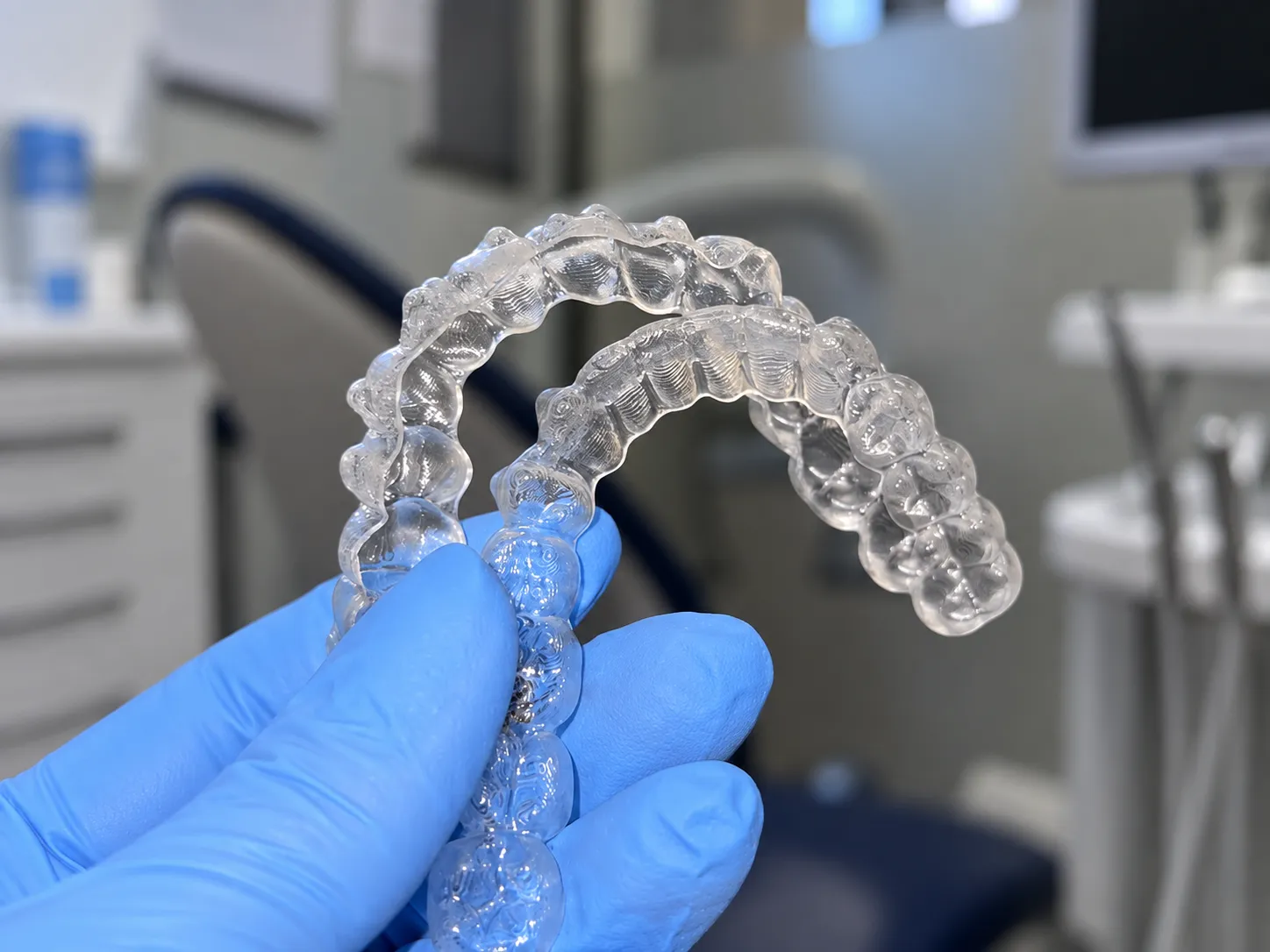
More than just straightening teeth
A beautiful smile does not depend solely on having straight teeth. Tooth alignment, bite, jaw development and facial harmony have a direct influence on oral health, chewing function and facial aesthetics.
At VARCHI Dental Clinic, we view orthodontics as a discipline that goes far beyond simply aligning teeth. Our aim is to create balanced, functional and natural smiles, whilst always taking into account each patient’s facial features.
Thanks to advances in digital diagnostics and three-dimensional planning, we are now able to treat children, teenagers and adults alike using solutions that are increasingly precise, comfortable and discreet. Each treatment is designed on a completely personalised basis to correct bite problems, improve the appearance of the smile and promote long-term oral health.
What is orthodontics?
Orthodontics is the dental specialism responsible for diagnosing, preventing and correcting abnormalities in the position of the teeth and in the relationship between the jaws. When teeth are not correctly aligned or the bite does not fit properly, problems can arise that affect both appearance and oral health.
Crowded teeth, excessive gaps, crossbites, open bites or deep bites can make daily oral hygiene difficult, contribute to tooth wear and cause joint or muscle strain.
Orthodontics makes it possible to correct these problems through controlled and planned tooth movements, improving both the function and appearance of the smile.
Nowadays, there are various treatment options available that can be tailored to each patient’s needs, lifestyle and preferences.
What is dentofacial orthopaedics?
Dentofacial orthopaedics is a discipline that complements orthodontics and focuses on the growth of the facial bones during childhood and adolescence.
Whilst orthodontics moves teeth, orthopaedics aims to guide the development of the jaws in order to correct skeletal imbalances and promote harmonious facial growth.
Detecting these problems at an early age can lead to simpler and more effective treatments, and in some cases avoid the need for more complex procedures in adulthood.
It is therefore advisable to have an initial orthodontic assessment at around the age of six or seven, even if the teeth appear to be correctly aligned.
Solutions
Types of orthodontic treatment
We currently have a range of systems that enable us to tailor treatment to the clinical and personal needs of each patient.
Orthodontics with clear aligners
Clear aligners are one of the most popular options among adult and teenage patients. They consist of a series of clear aligners, digitally designed to bring about gradual and controlled tooth movement.
Their main advantage is their discreet appearance, as they are virtually invisible during everyday use. Furthermore, they are removable, allowing you to eat, brush your teeth and floss as normal. Thanks to digital planning, the patient can preview the estimated progress of the treatment and the expected outcome.
Orthodontics with braces
Braces remain a highly effective tool for correcting both simple and complex cases. They allow for precise control of tooth movement and deliver excellent functional and aesthetic results.
There are now more discreet and comfortable options available than those used in the past, significantly improving the patient’s experience during treatment.
Dentofacial orthopaedics in children and adolescents
During childhood and adolescence, we make the most of the potential for growth to correct certain skeletal abnormalities.
Using specific appliances, we can promote the correct development of the jaws and improve the relationship between facial structures.
Among the most common treatments are palatal expanders, disjunction appliances and functional appliances designed to stimulate or redirect growth.
These treatments can reduce the complexity of future orthodontic interventions and promote more balanced facial development.
Instructions
When is orthodontic treatment recommended?
Every patient has different needs, but there are certain situations that usually benefit from an orthodontic assessment.
Problems that can be corrected by orthodontics
Orthodontics can be used to treat a wide range of dental and skeletal problems.
Crowded teeth are one of the most common dental problems. As well as affecting appearance, they make oral hygiene difficult and encourage the build-up of bacterial plaque. Excessive gaps between teeth can also be corrected through controlled tooth movement.
Crossbites, where some of the upper teeth lie behind the lower teeth, can cause functional problems and facial asymmetry.
Open bites make it difficult for the teeth to come into proper contact and can affect pronunciation and chewing.
Deep bites cause the upper teeth to overlap the lower teeth excessively, leading to tooth wear and joint problems.
Furthermore, orthodontics can improve conditions relating to deviations from the dental midline, abnormal eruption patterns or complex occlusal problems.
Protocol
How do we perform the treatment at VARCHI?
Every orthodontic treatment begins long before the first aligner or bracket is fitted. Planning is one of the most important stages in ensuring predictable and stable results.
Full study
We carry out a comprehensive orthodontic assessment to analyse each case in detail.
Diagnostic logs
We collect clinical photographs, digital records and X-rays to assess the patient’s current condition.
Personalised analysis
We examine tooth position, bite, facial profile and the relationship between the jaws.
Treatment plan
We draw up a bespoke plan and explain the objectives, the estimated duration and the various options.
Monitoring and results
We carry out regular check-ups to monitor progress and ensure a functional, stable and harmonious smile in the long term.
Advantages
Benefits of orthodontics
The benefits of orthodontics go far beyond aesthetics.
01/
Hygiene
Properly aligned teeth make daily oral hygiene easier, reducing the risk of tooth decay and periodontal disease.
02/
Bite
Improving the bite allows chewing forces to be distributed more evenly, reducing wear and strain.
03/
Function
Treatment can improve chewing and, in some cases, pronunciation.
04/
Trust
From an aesthetic point of view, a harmonious smile has a positive influence on self-confidence and self-perception.
05/
Growth
In growing patients, dentofacial orthopaedics promotes more balanced and functional facial development.
FAQs
Your dental practice
Why choose VARCHI Dental Clinic for your orthodontic treatment?
At VARCHI, we combine advanced digital diagnostics, personalised planning and a holistic approach to oral health to provide orthodontic treatments tailored to each patient.
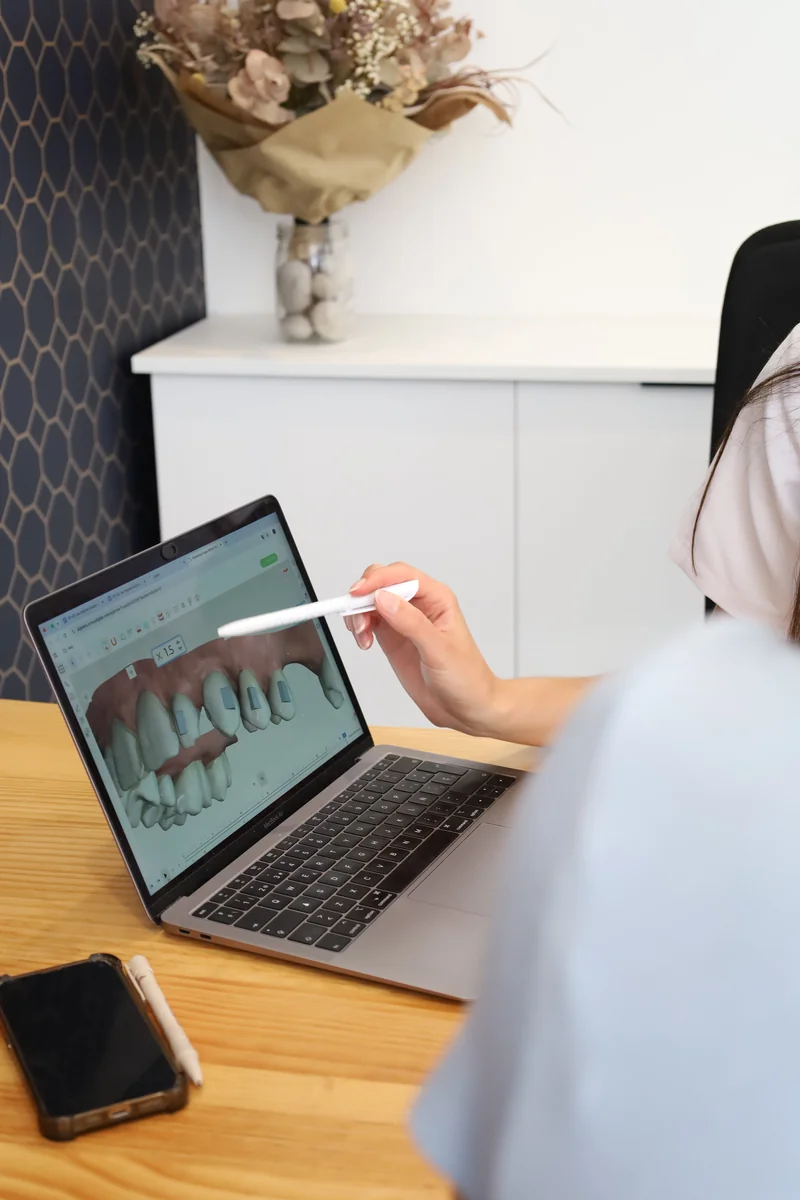
Book your appointment at VARCHI
We’ll assess your situation and clearly explain all the options available to help you regain your smile.