
Fixed and removable dental prostheses in Sant Just Desvern
Regain your smile, your function, and your confidence
To smile again
The loss or damage of one or more teeth can affect much more than just the aesthetics of your smile. Speaking, chewing, smiling naturally, and even the health of the remaining teeth can be compromised when teeth are missing or severely damaged. Dental prosthetics is the specialty responsible for restoring missing teeth or reconstructing damaged teeth to restore function, comfort, and the aesthetics of your smile.
At VARCHI Dental Clinic, we understand that each patient has unique needs. That's why we design fully customized solutions that blend seamlessly with the rest of the dentition and improve long-term quality of life. Our goal is not simply to replace teeth. We strive to restore balance, function, and harmony to the entire mouth, always respecting the anatomy, facial aesthetics, and expectations of each patient.
Thanks to advances in materials, digital technology and personalized planning, current prostheses offer increasingly natural, comfortable and long-lasting results.
What is a dental prosthesis?
Dental prosthetics is the branch of dentistry responsible for restoring damaged teeth or replacing missing teeth through different types of rehabilitations designed to restore oral function and aesthetics.
When a tooth has suffered significant loss of structure or when one or more teeth are missing, a prosthesis restores chewing ability, improves the appearance of the smile, and maintains the stability of the entire dentition.
In addition to improving aesthetics, a properly planned prosthetic rehabilitation helps to distribute chewing forces correctly, protect remaining teeth, and preserve long-term oral health.
Each treatment is individually designed, taking into account the functional, anatomical, and aesthetic needs of each patient.
Solutions
Types of dental prostheses
The choice of treatment will depend on the number of teeth affected, the condition of the mouth, and the specific needs of each patient. Currently, we primarily distinguish between fixed and removable prostheses.
Fixed prosthesis
It remains permanently in the mouth and offers a sensation very similar to that of natural teeth.
Dental crowns
They cover and protect damaged or weakened teeth, restoring strength, function and aesthetics.
Dental bridges
They allow the replacement of one or more missing teeth using adjacent teeth as support.
Implant-supported prostheses
Implants act as a support for crowns or bridges, providing stability without affecting neighboring teeth.
Removable prosthesis
It can be easily removed and replaced by the patient. It currently offers comfortable, functional, and aesthetic solutions.
Removable partial denture
It replaces several teeth when natural teeth are still preserved.
Removable complete denture
It is indicated when there is a total loss of teeth and allows the recovery of chewing, aesthetics and pronunciation.
Implant-supported overdenture
It combines a removable prosthesis with implants to achieve greater stability and fixation.
Why is it important to replace missing teeth?
Many people believe that losing a tooth has no significant consequences, especially when the missing tooth is in a less visible area. However, losing a tooth can trigger a series of progressive changes that affect the entire mouth.
Neighboring teeth tend to shift into the empty space, altering alignment and bite. Opposing teeth, those that make contact during chewing, can extrude as they lose their support. Furthermore, the bone that previously supported the tooth begins to resorb progressively as it ceases to receive functional stimuli.
Instructions
What problems can a dental prosthesis solve?
Dental prostheses allow for the resolution of a wide variety of clinical situations.
The importance of personalized rehabilitation
Modern dental prosthetics is not simply about making artificial teeth. Each treatment requires a detailed study of the patient's smile, bite, chewing function, and facial features.
Tooth position, lip support, vertical dimension, and the relationship between the two dental arches directly influence the final result. Therefore, we dedicate special attention to the planning stage.
A properly designed prosthesis should integrate naturally into the smile, provide comfort during daily function, and offer long-term stability.
Protocol
From diagnosis to result
Technological advancements have profoundly transformed modern prosthodontics. At VARCHI, we incorporate high-quality materials and digital tools that allow us to plan each rehabilitation with greater precision and achieve more natural, functional, and long-lasting results.
High aesthetic materials
We currently have high-strength ceramic materials capable of reproducing the translucency, texture and color of natural teeth with an extraordinary level of realism.
Digital planning
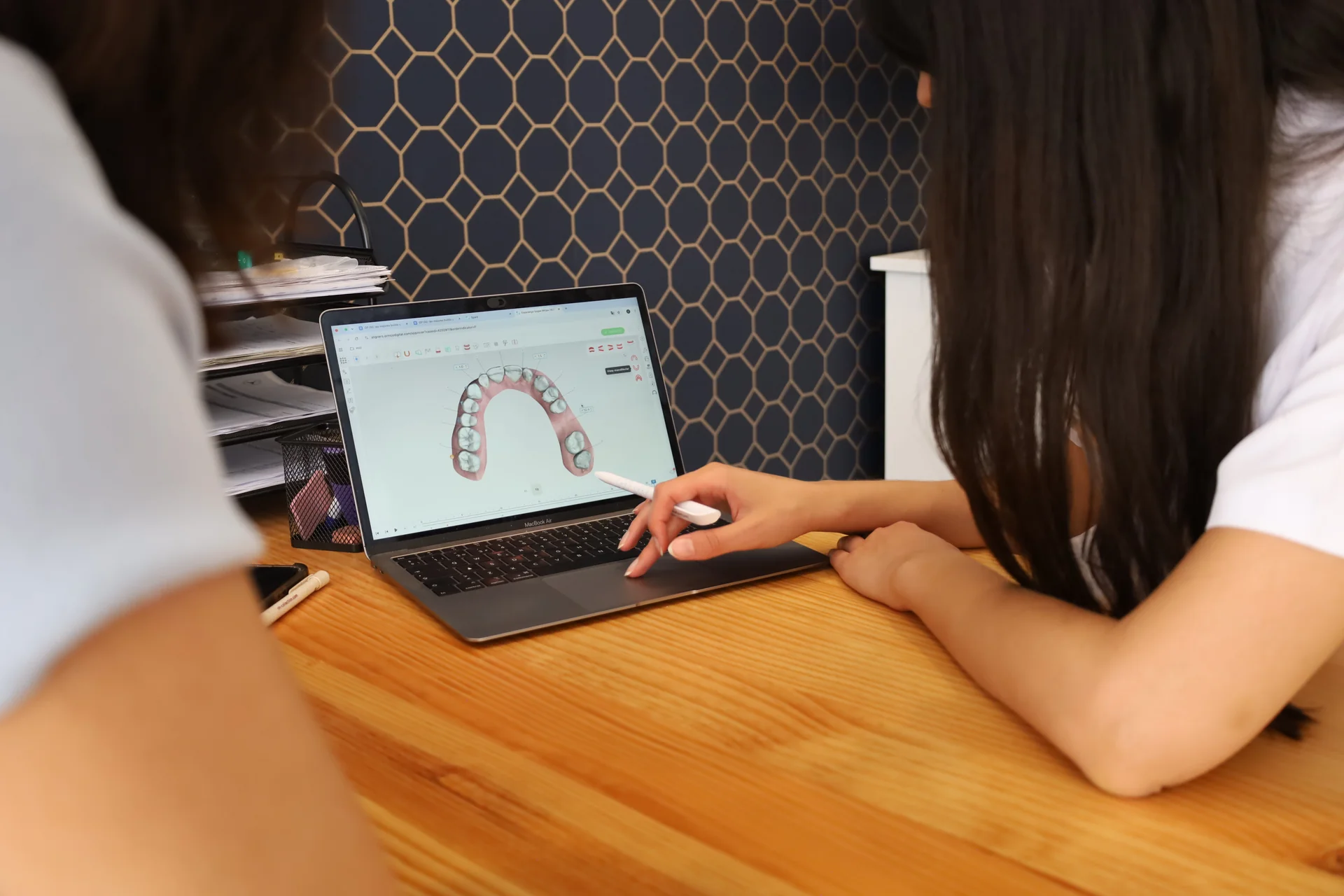
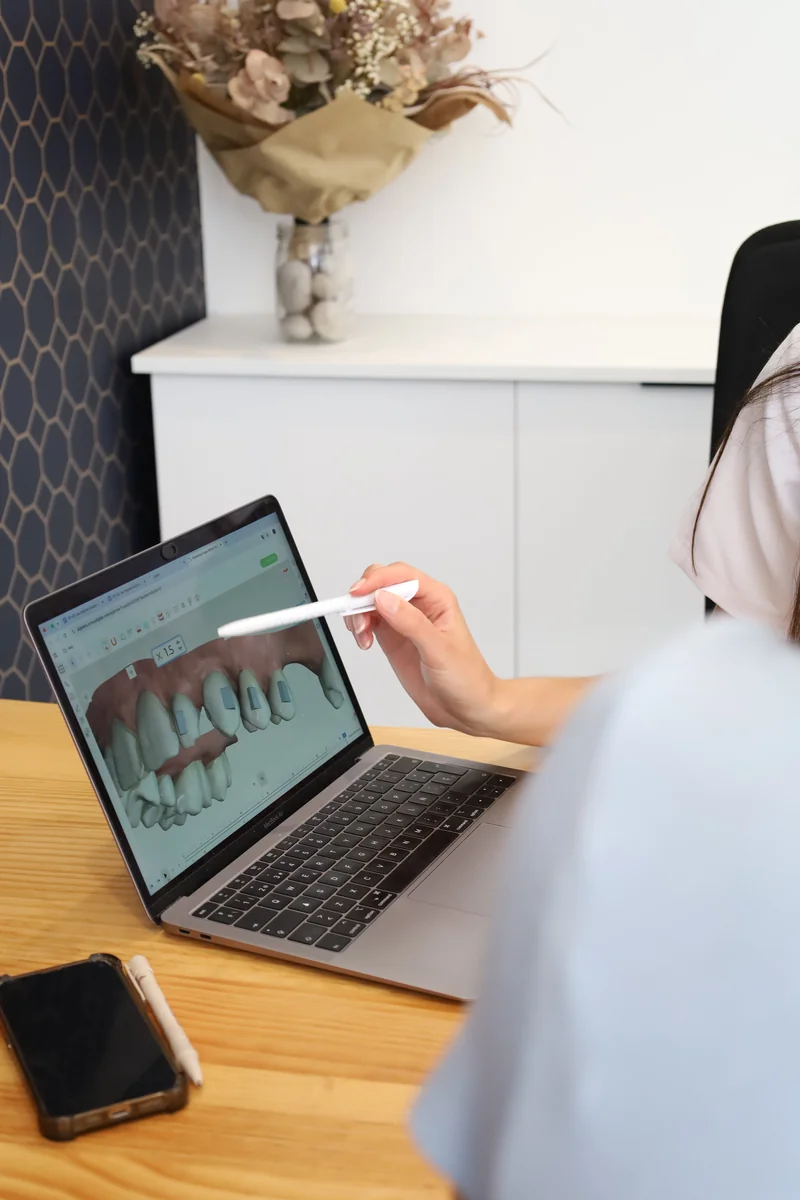
Digital technology helps us to design precise rehabilitations tailored to each patient.
Greater precision and durability
Thanks to these technologies we can improve both the aesthetics and functionality of the treatments, increasing their predictability and durability.
Natural result
Our goal is for the restoration to go unnoticed and be perceived as a natural part of the smile.
Advantages
Benefits of dental prosthetics
Prosthetic rehabilitation provides benefits that go far beyond aesthetics.
01/
Better chewing
It allows you to regain chewing ability and improve comfort during meals.
02/
Balance of power
It helps to distribute forces correctly and reduce overload on teeth and joints.
03/
Facial support
It helps to preserve the facial structure, especially when several teeth are missing.
04/
More confidence
You can improve your confidence by smiling, talking, and interacting.
05/
Prevent complications
A well-planned rehabilitation helps to avoid problems arising from tooth loss.
FAQs
Your dental practice
Why choose VARCHI Dental Clinic for your prosthetic rehabilitation?
At VARCHI we understand that restoring a smile means much more than replacing teeth.
Book your appointment at VARCHI
We’ll assess your situation and clearly explain all the options available to help you regain your smile.